This post may contain affiliate links. Please read our disclosure policy.
Kulich (Russian Easter Bread) – Soft, Rich, and Tall Holiday Bread.
A classic kulich recipe made with an enriched dough for a soft, stable crumb and balanced sweetness. With proper kneading and rising, this Russian Easter bread bakes tall, light, and evenly textured.

What Makes This Kulich Work
Kulich looks simple, but it’s one of those recipes where small details make a big difference.
If you’ve ever had it turn out dense, dry, or collapse after baking, it usually comes down to three things: how the fat is added, how well the dough is developed, and how controlled the rise is.
This version follows a balanced brioche-style structure, enriched with eggs and butter, lightly scented with citrus, and shaped into tall loaves. The result is soft, rich, and stable, with a tender crumb that holds its shape.
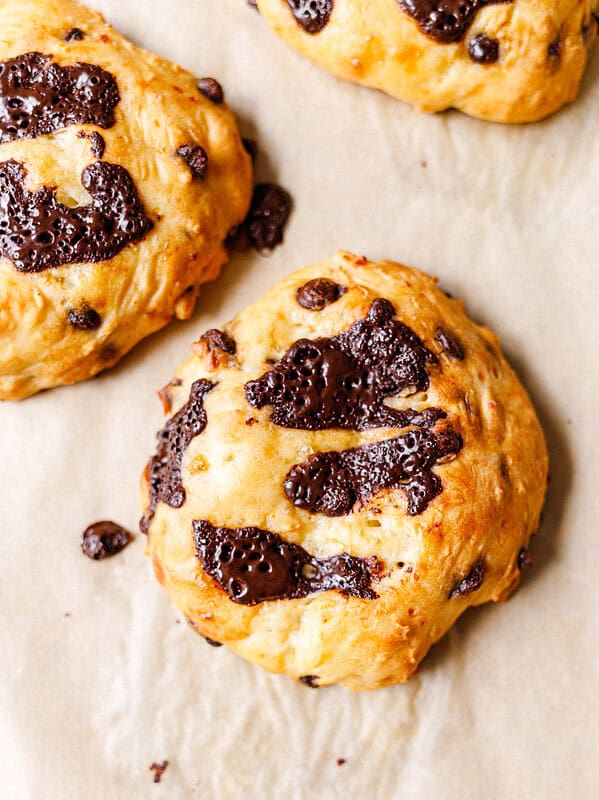
You can keep it traditional or use a chocolate and tahini filling for a more modern variation.
Why You’ll Love This Recipe
- Rich, soft texture without being overly heavy
- Reliable structure that doesn’t collapse after baking
- Flexible base for traditional or modern fillings
- Perfect for baking in small molds or tall individual loaves
- Uses a method that is easy to repeat once you understand it
Ingredients
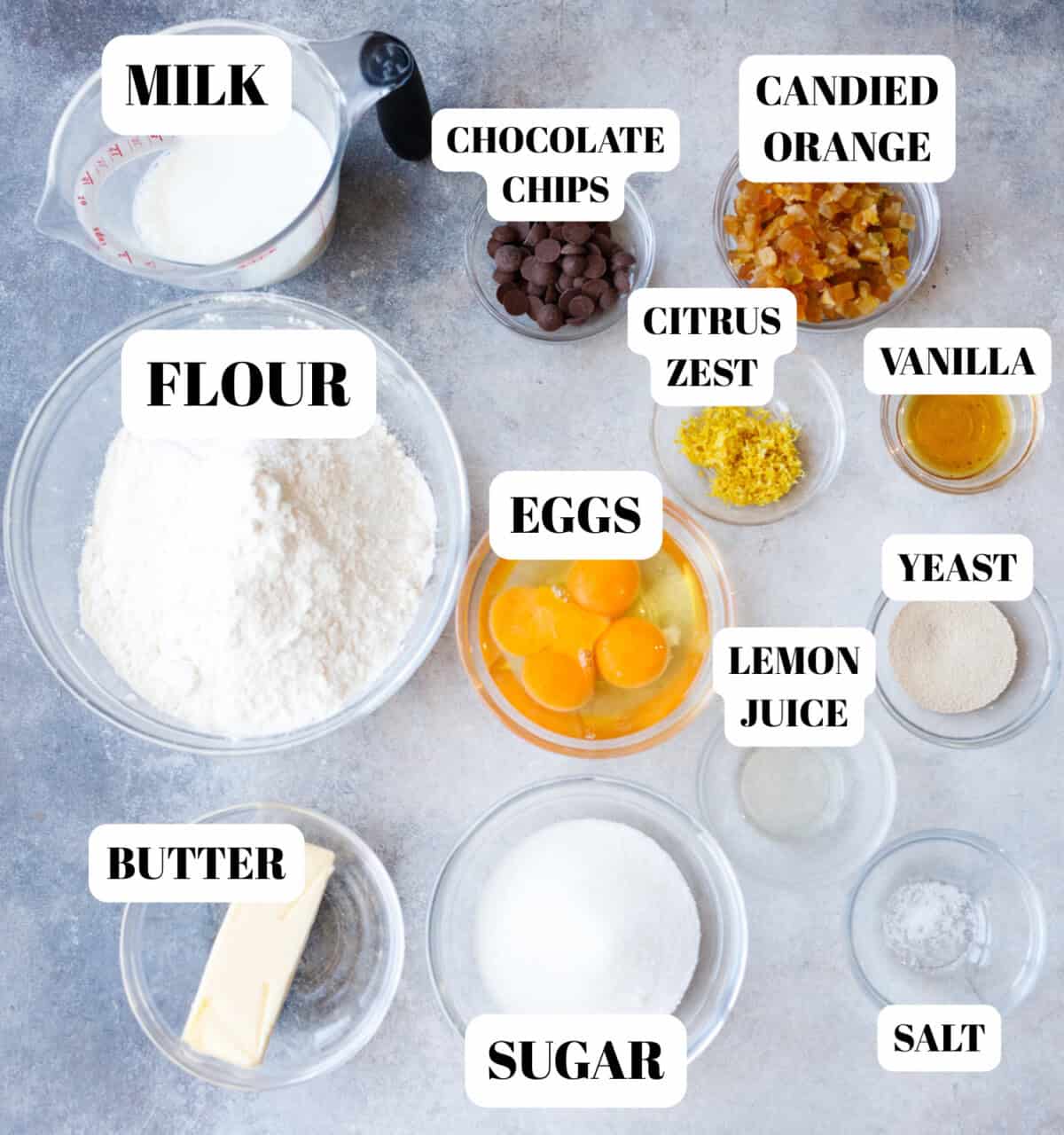
Dough
- all-purpose flour (or flour with at least 11 grams of protein per 100 grams)
- eggs
- additional egg yolks
- milk, warm
- granulated sugar
- butter, very soft, not melted
- instant yeast
- vanilla extract
- Zest of 1 lemon and 1 orange
- lemon juice
- salt
Filling (Optional)
- 100–150 g chocolate
- 1-2 tbsp tahini
- Hazelnuts or raisins
Finish
- 1 egg for brushing or simple glaze
Ingredient Notes
- Use all-purpose flour for best structure. Bread flour can also be used, but avoid reducing the protein too much.
- The combination of whole eggs and extra yolks creates a richer crumb and helps keep the bread soft for longer.
- Butter should be very soft, not melted hot, so it incorporates smoothly into the dough.
- Sugar is important here, not just for sweetness but also for proper fermentation and texture.
How to Make Kulich
- Start by activating the yeast in warm milk with a small amount of sugar until slightly foamy.
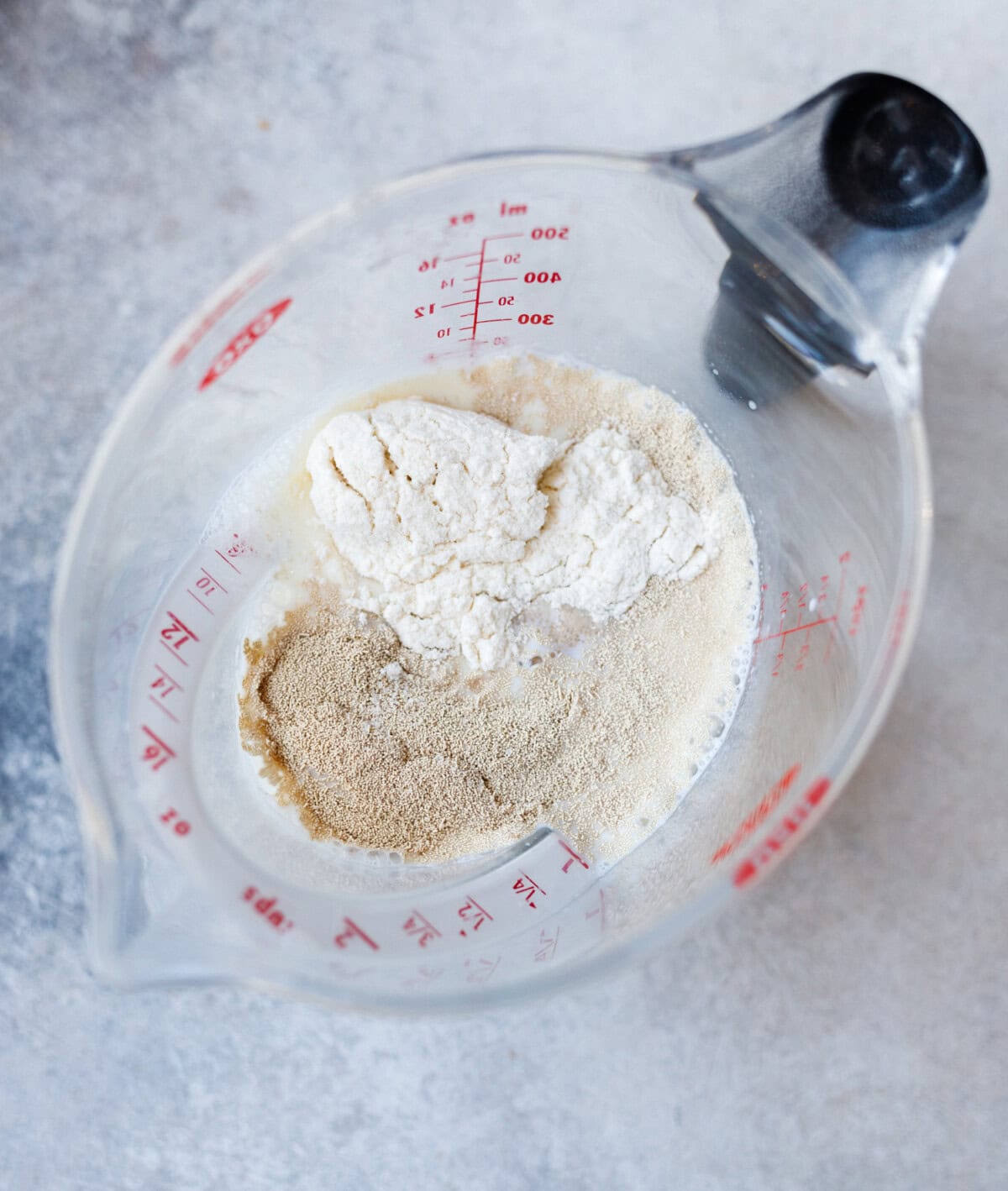
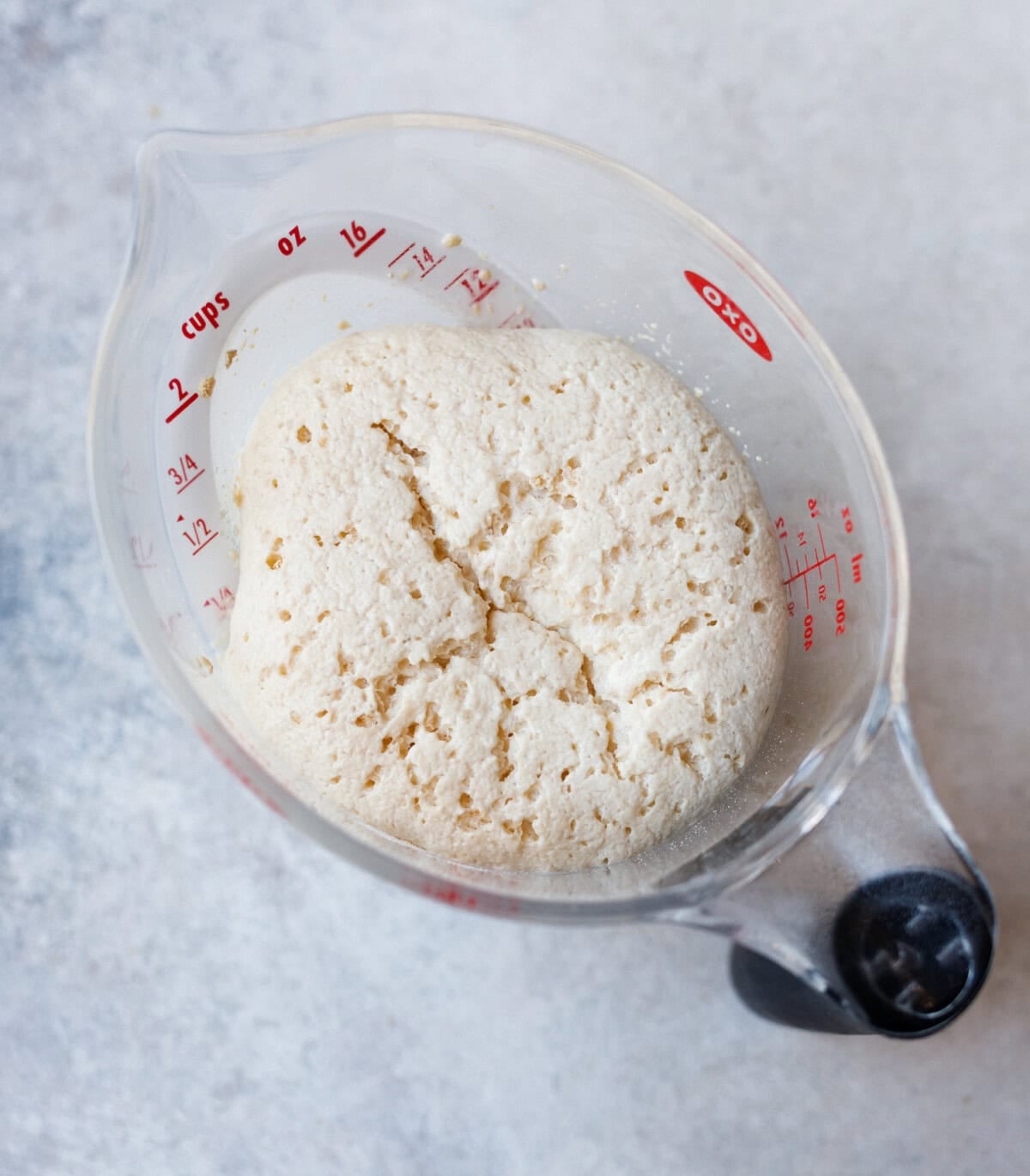
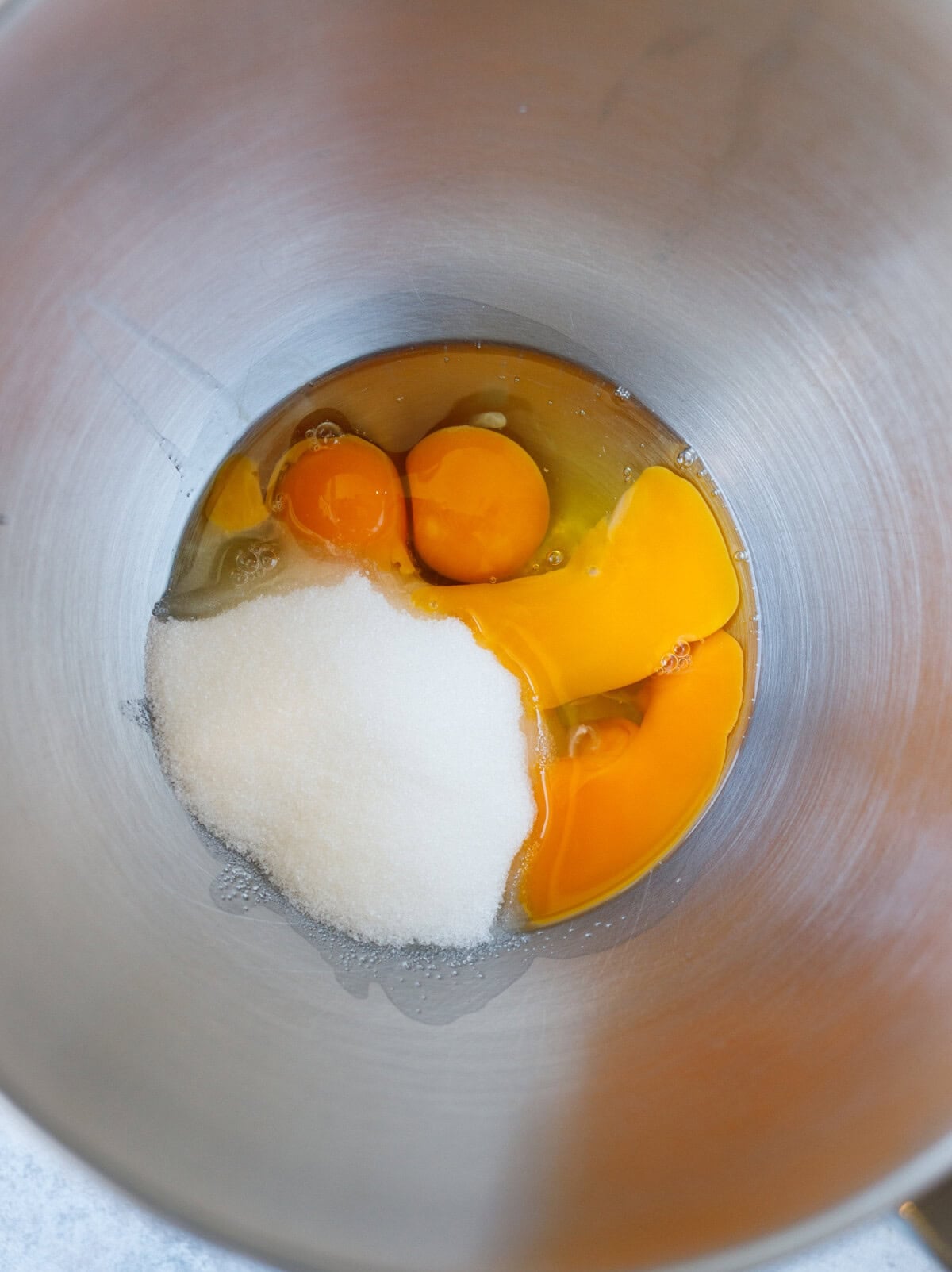
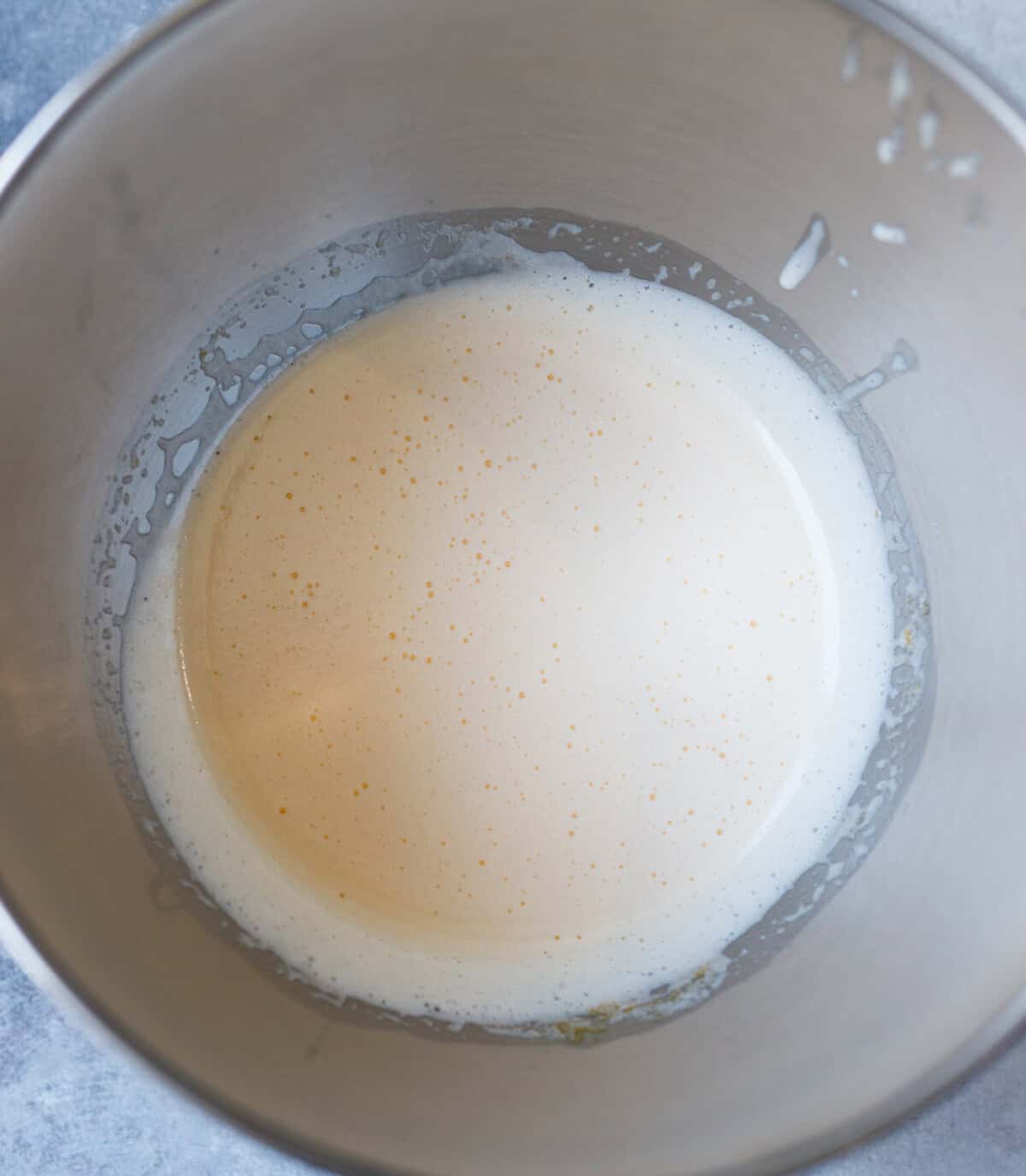
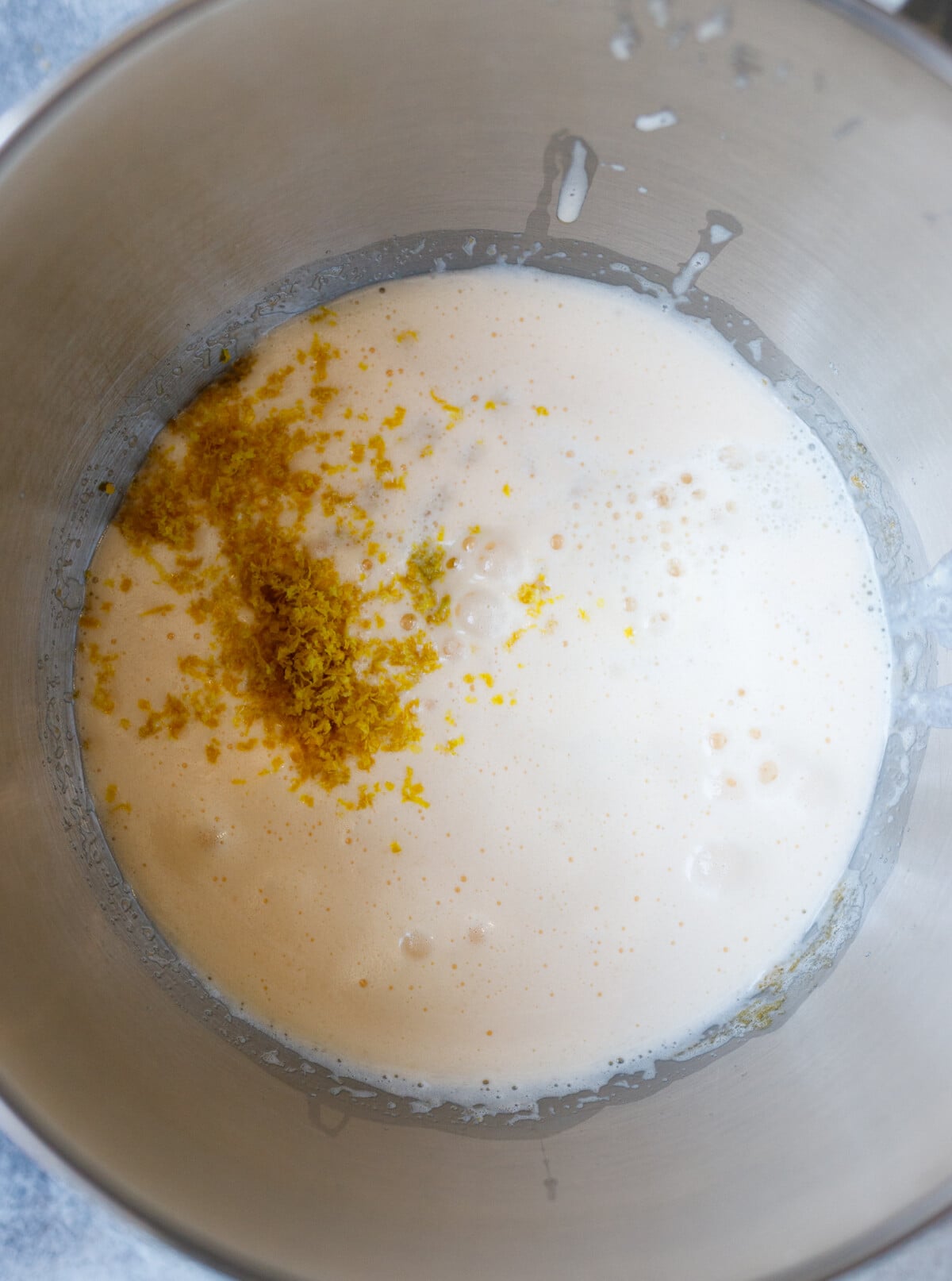
- In a separate bowl, whisk the eggs, egg yolks, sugar, vanilla, citrus zest, and lemon juice. Add the yeast mixture and combine.
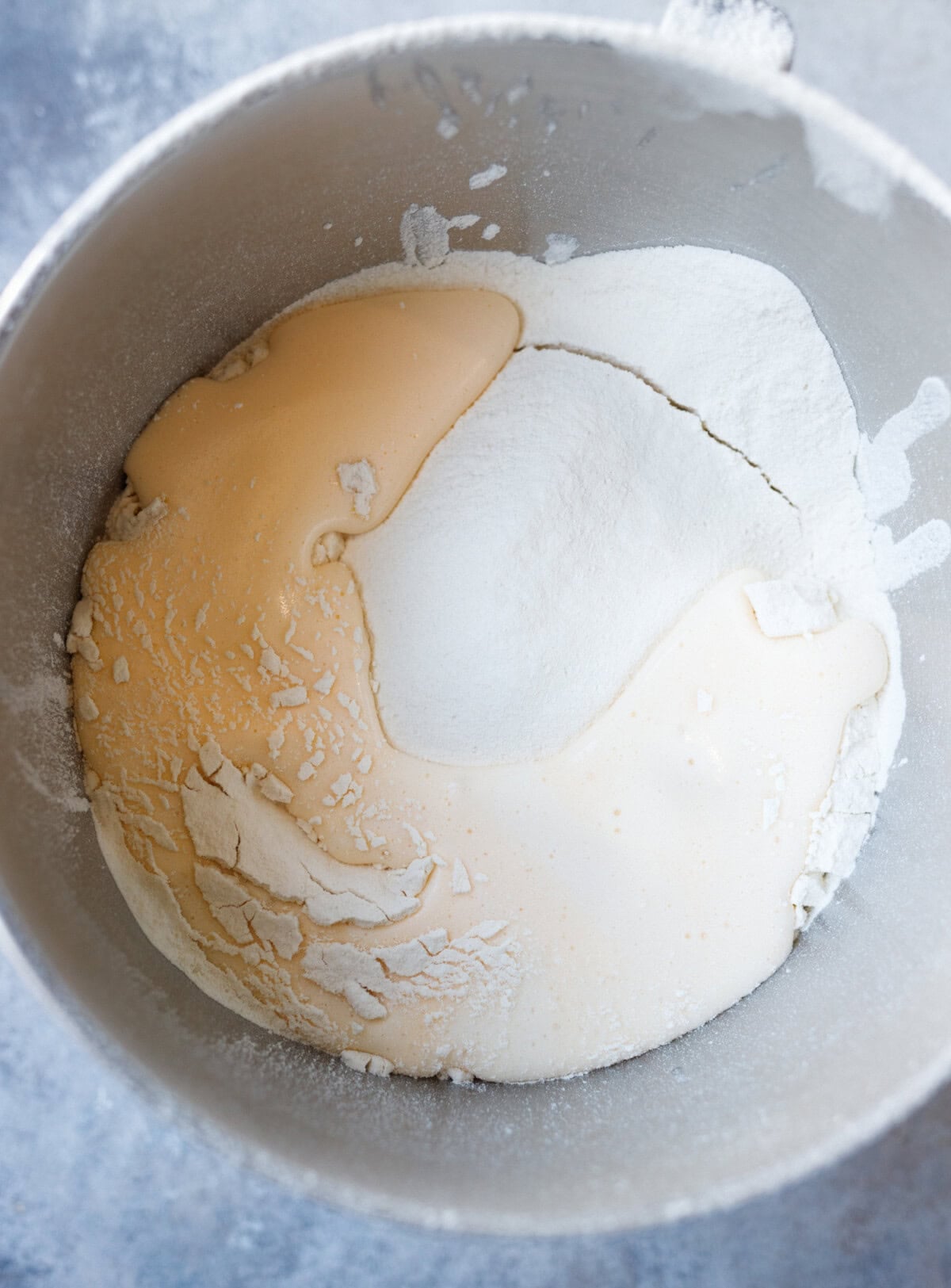
- Add the flour and salt, then begin kneading using a stand mixer with a dough hook.
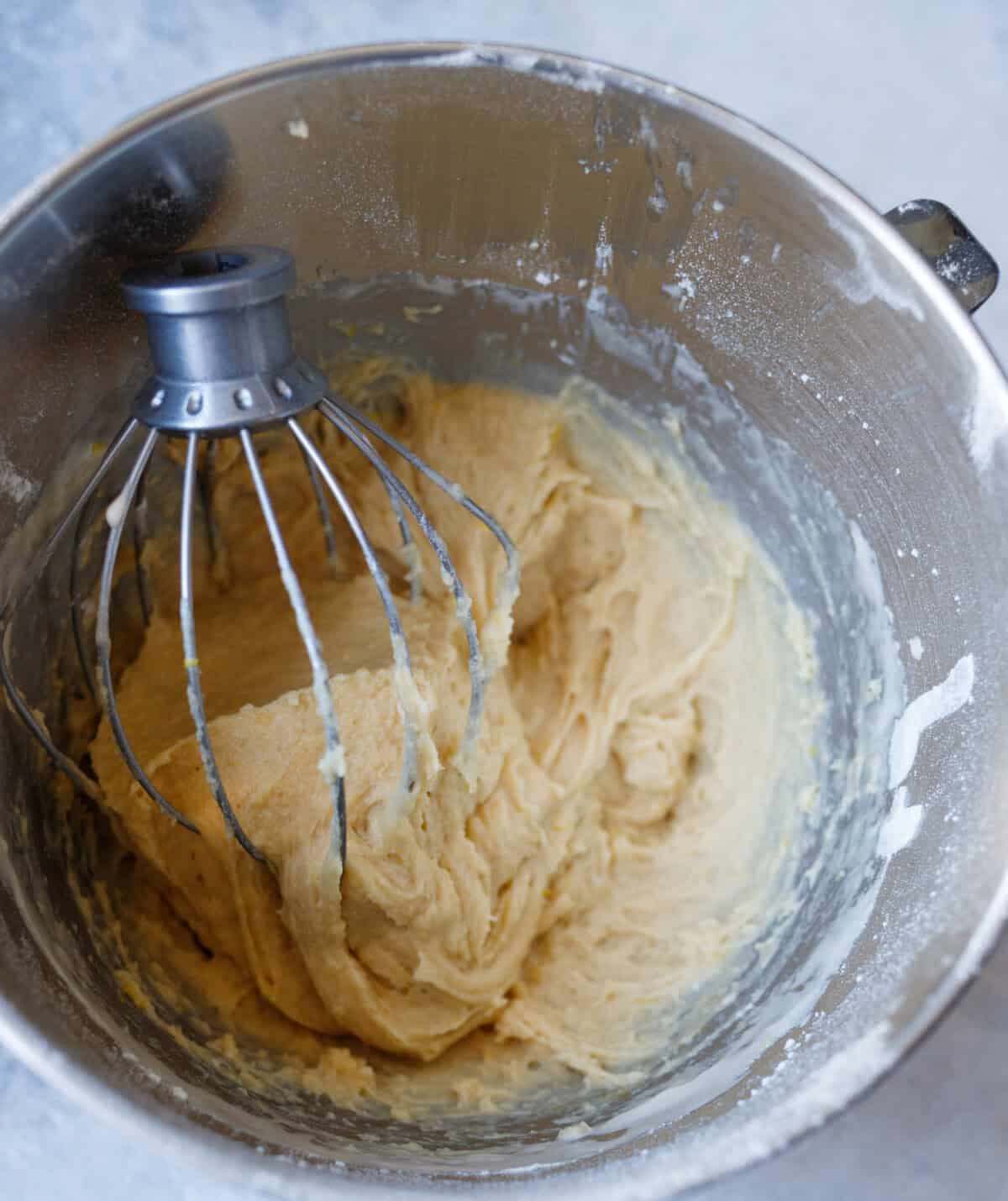
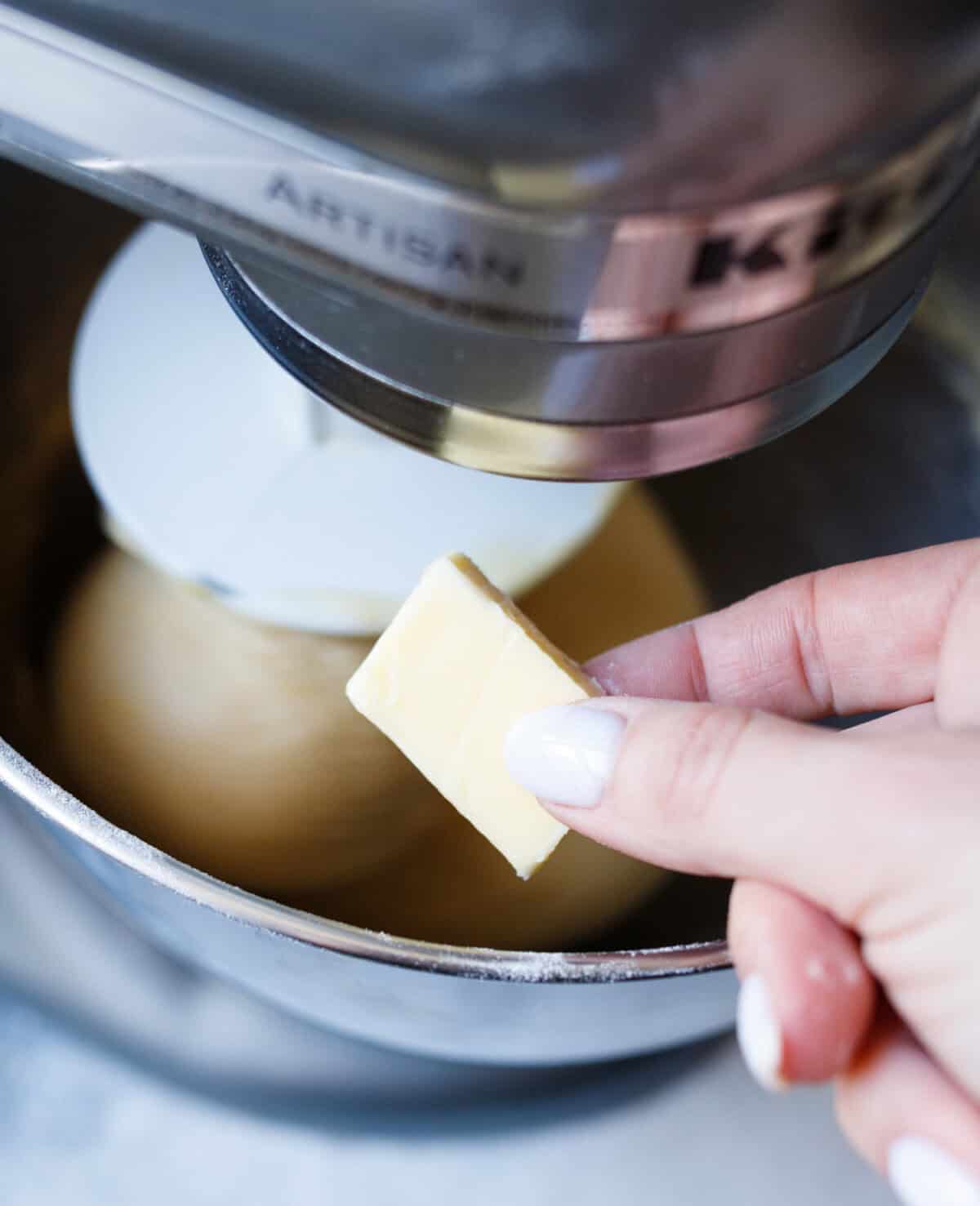
- Once the dough starts to come together, add the butter gradually in several additions, allowing it to fully absorb before adding more.
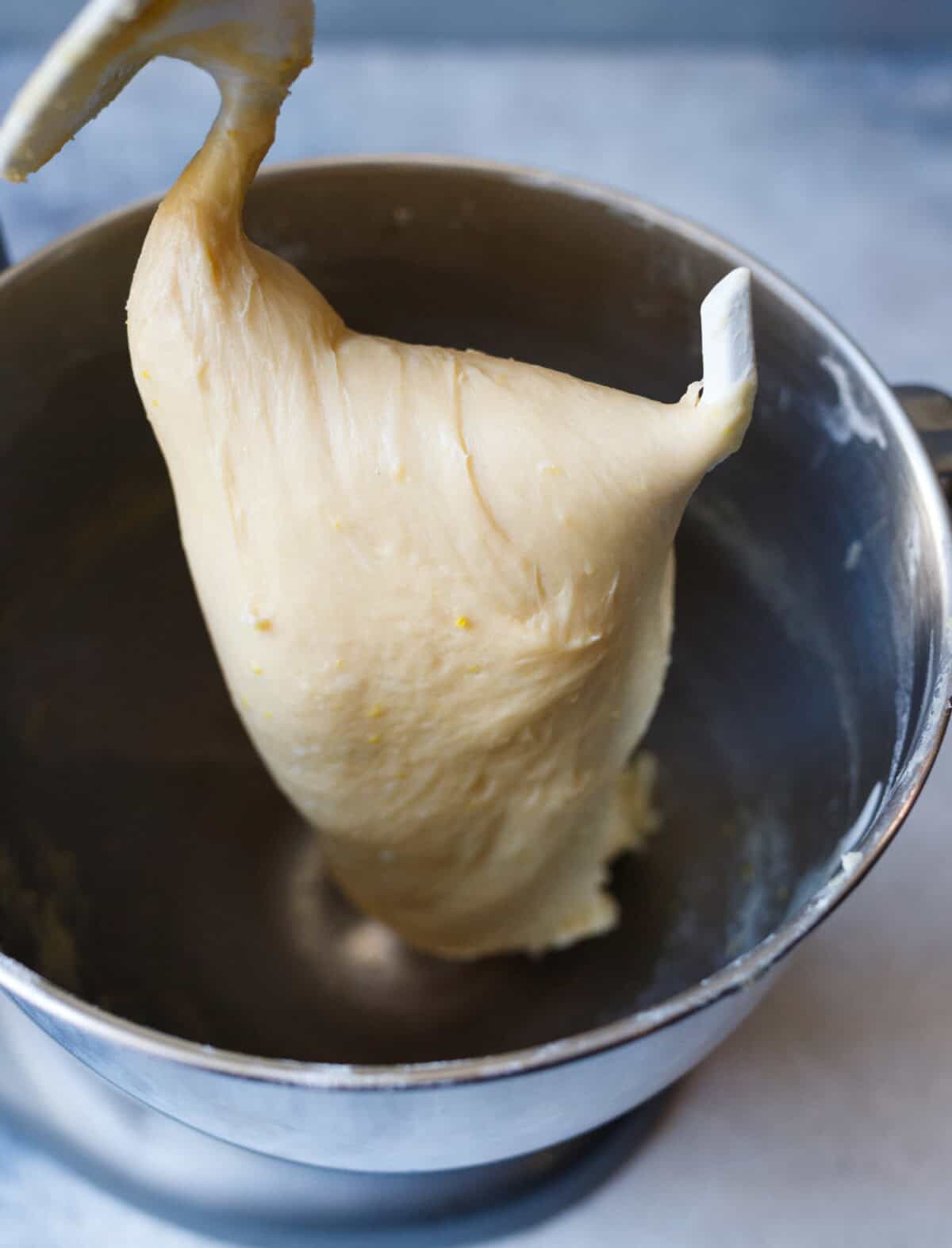
- Continue kneading for about 12-15 minutes, until the dough becomes smooth, elastic, and slightly sticky.
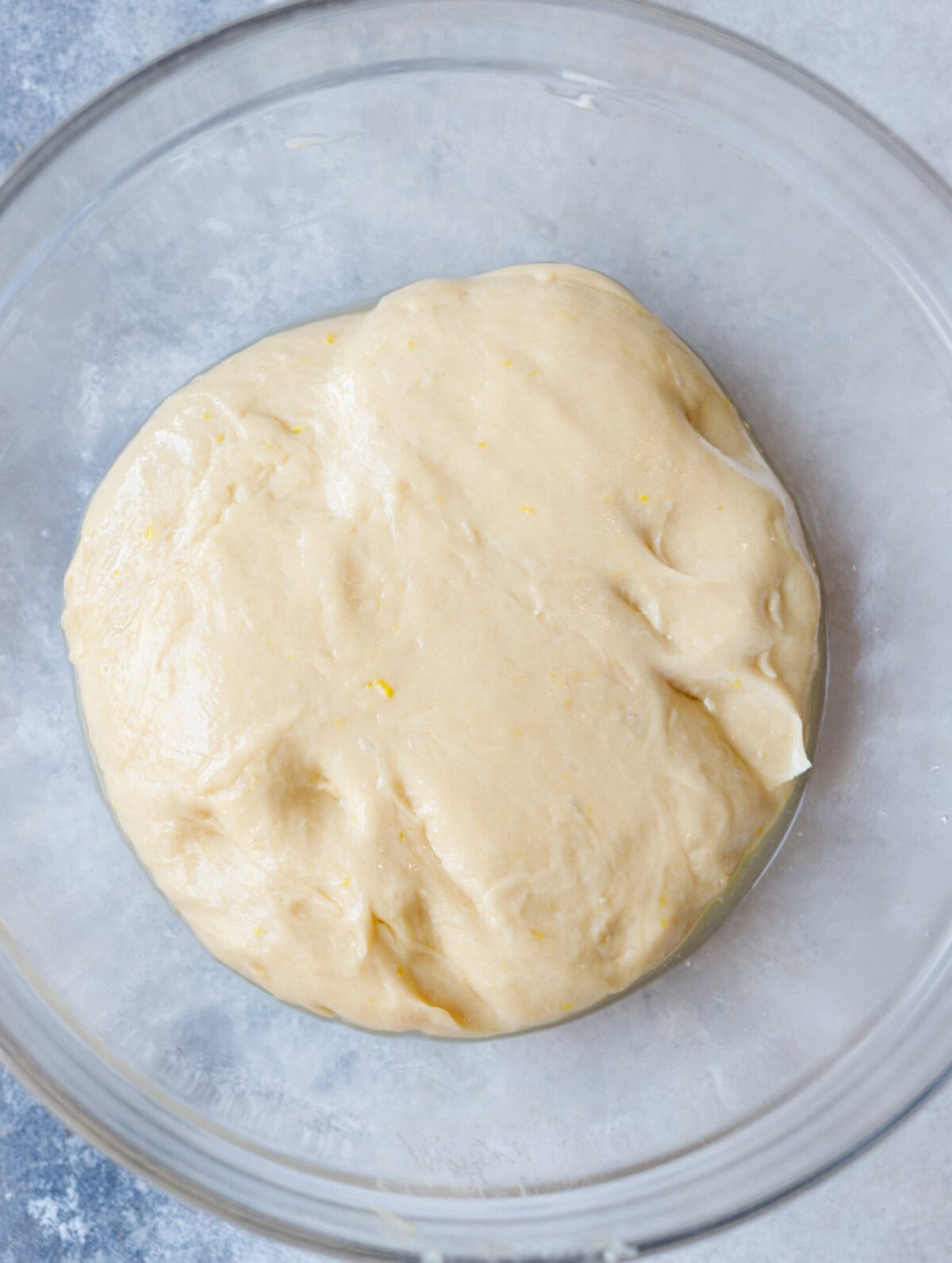
- Cover and let the dough rise until doubled in size.
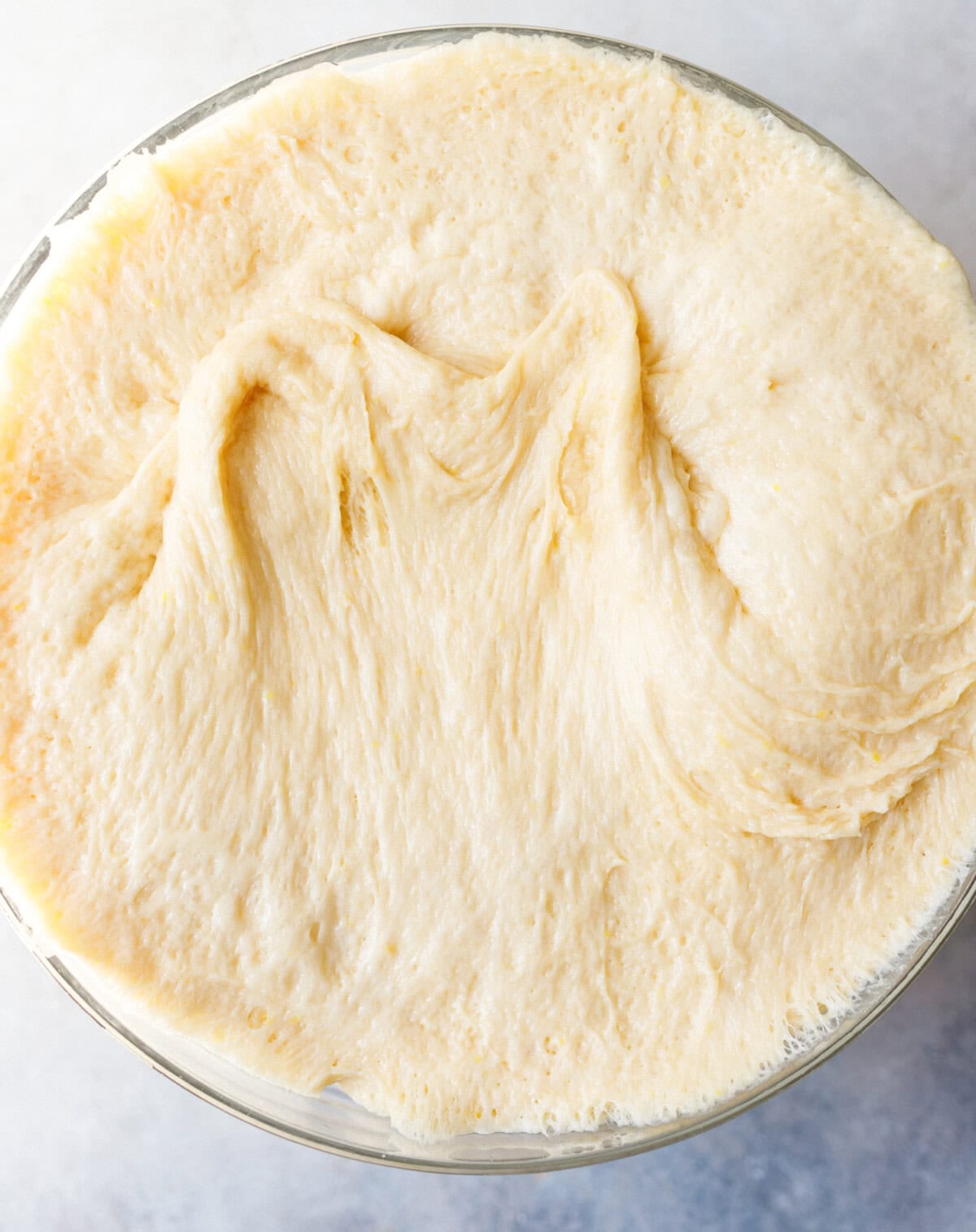
- If using filling, add it in.
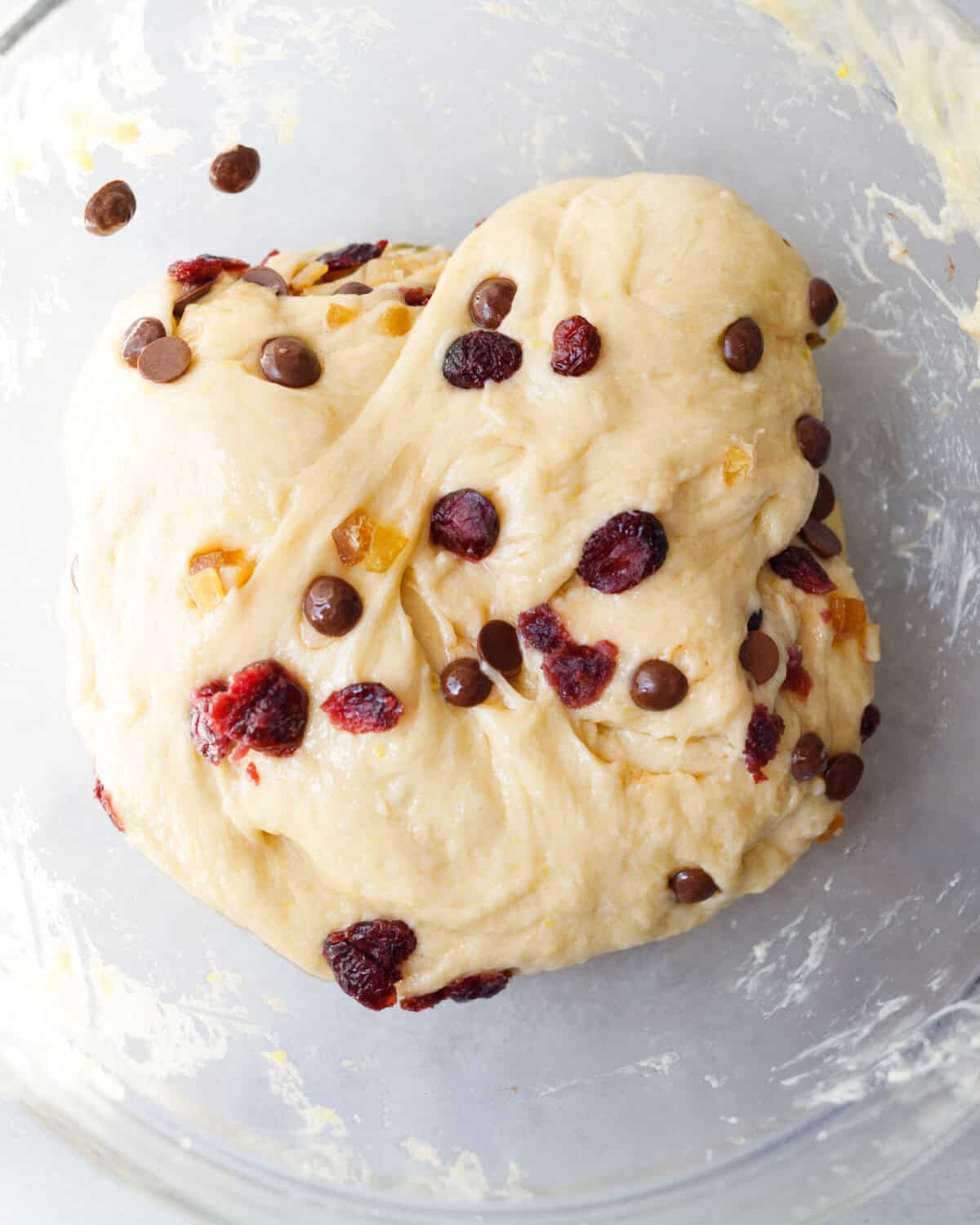
- Divide into portions and shape into smooth balls. Place into tall molds, filling them about halfway.
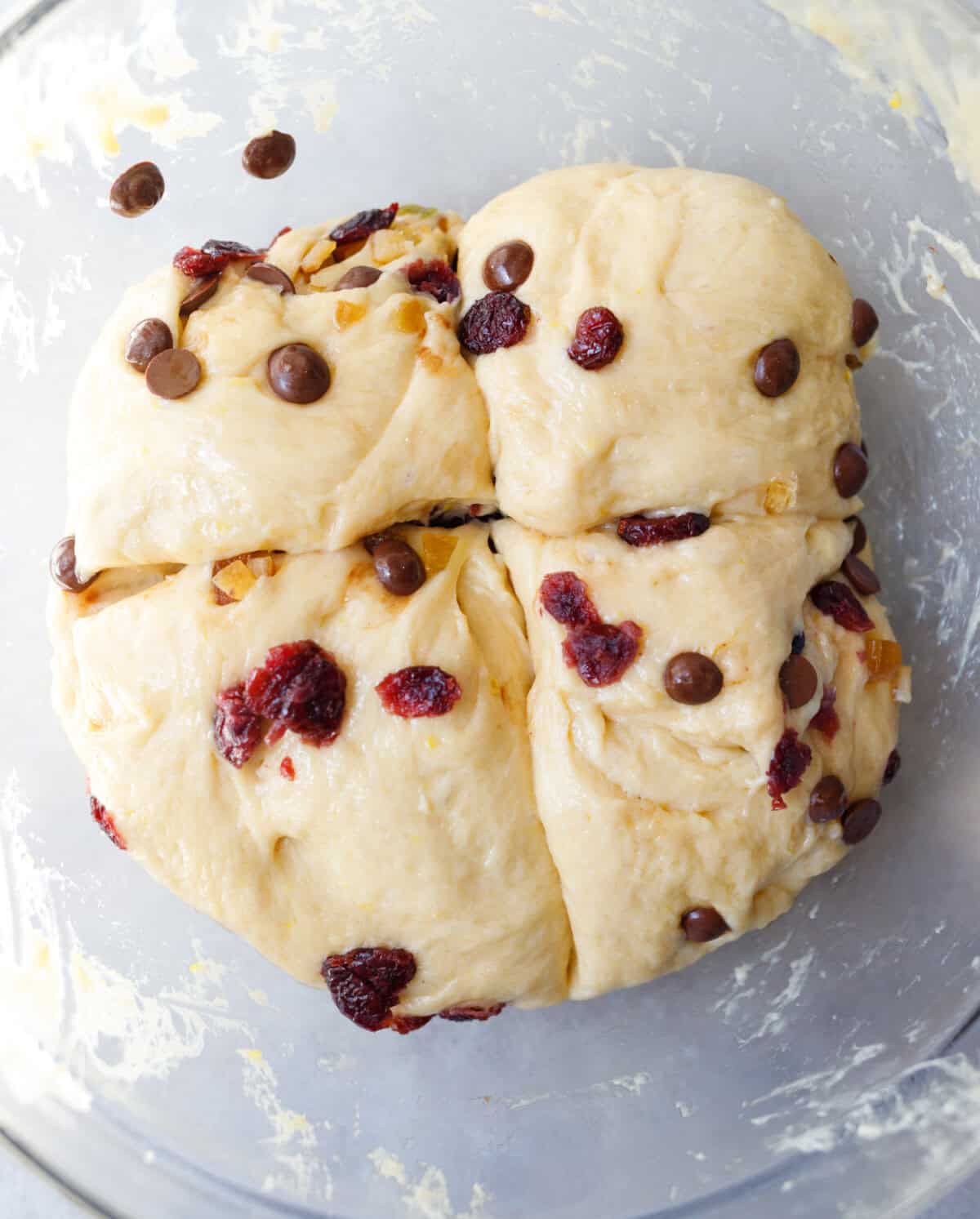
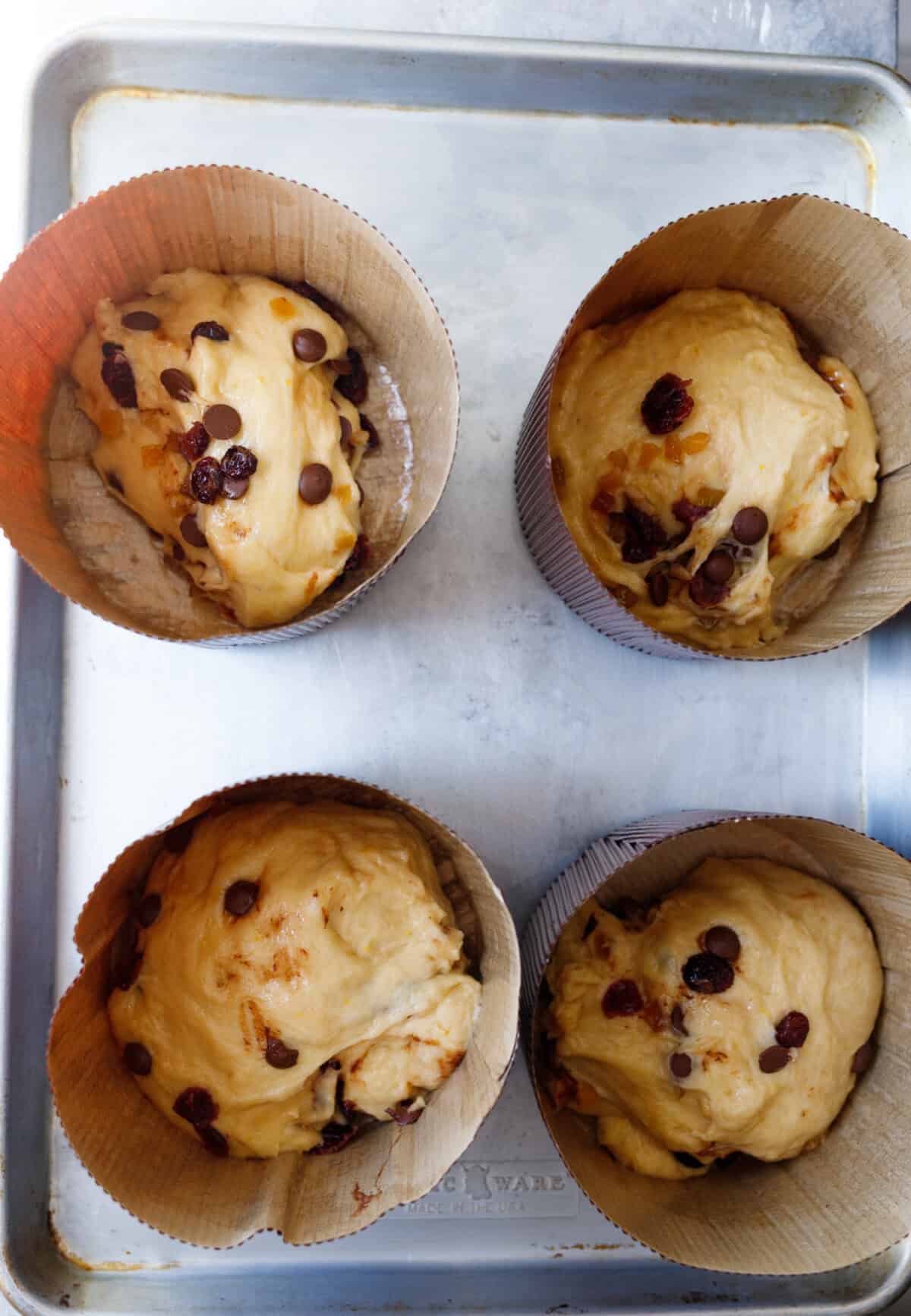
- Let rise again until the dough reaches about 70-80% of the mold height.
- Bake at 165-170°C with fan or 180°C without until golden and fully baked through.
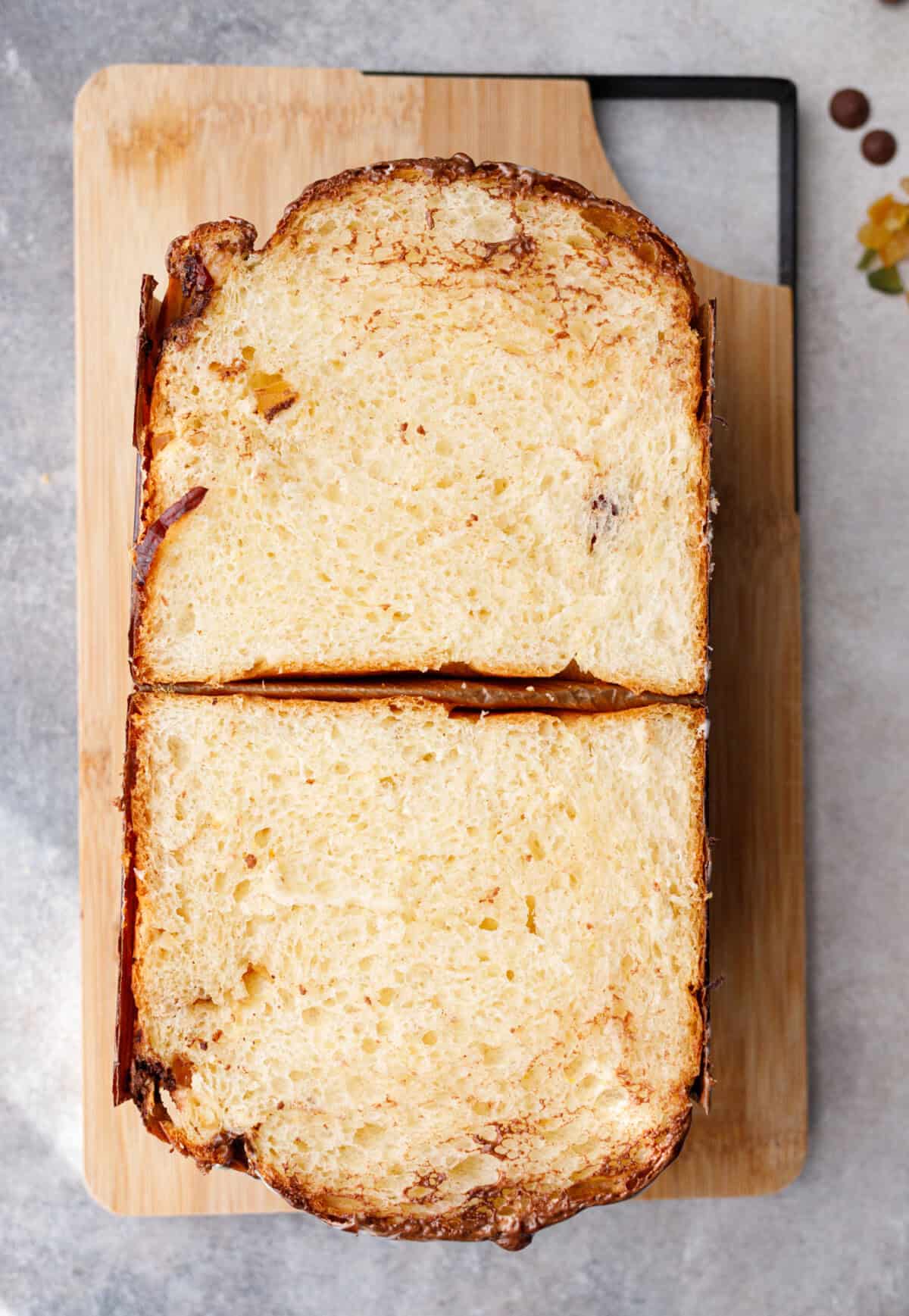
- Let cool completely before slicing.
Key Tips for Success
- Add the butter gradually after the dough has formed. Adding it too early prevents proper gluten development.
- Knead longer than you think. Rich dough takes more time to develop structure.
- Do not overproof the second rise. If the dough rises too much, it may collapse during baking.
- Bake at a slightly lower temperature than standard bread to ensure the center cooks through.
- Allow the bread to cool fully before cutting so the structure can set.
Kulich vs. Kozunak
While both are enriched Easter breads, kulich is typically baked tall and has a slightly more tender, cake-like crumb.
Kozunak is often braided and focuses more on visible strands, while kulich is more about richness and vertical structure.
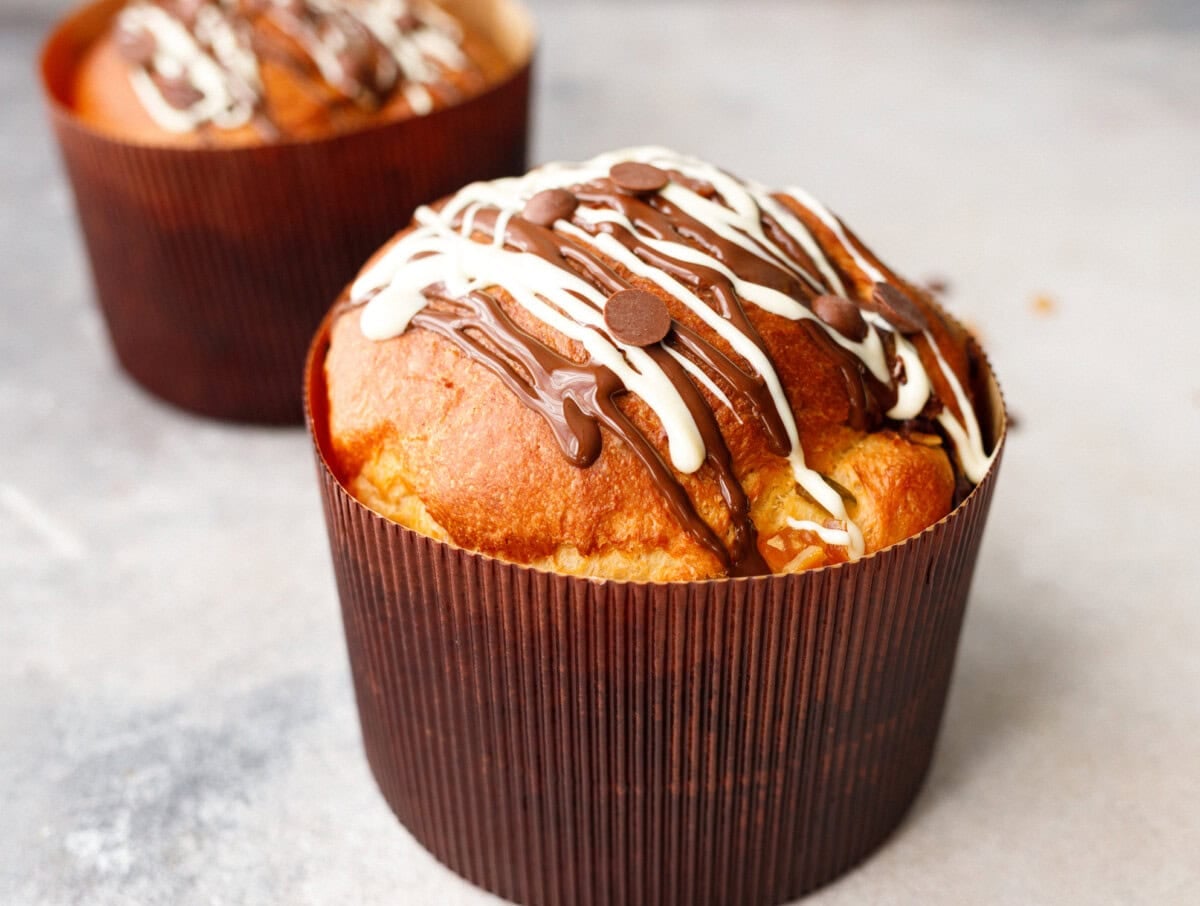
Variations
You can keep this recipe traditional with raisins and candied fruit, or adapt it with chocolate, nuts, or other fillings.
For smaller loaves, divide the dough into individual molds and reduce baking time slightly.
More Easter Bread Recipes
If you’re looking for other variations, you can also try:

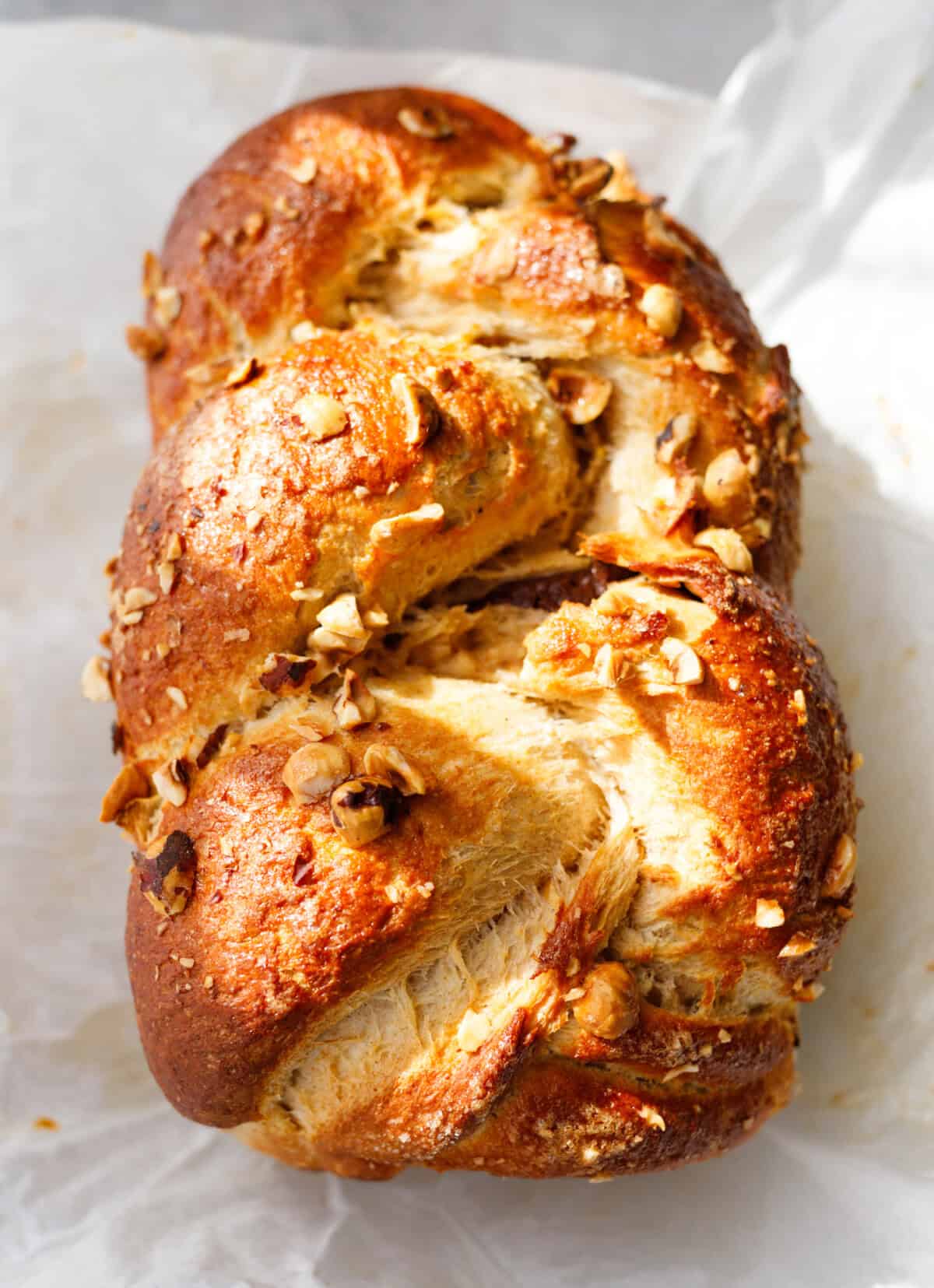


- Low-Carb Easter Bread (loaf/cake style)
Each version uses a similar base method, so once you understand the process, it becomes easy to adapt.
FAQ
It was likely over proofed or the dough wasn’t developed enough before baking.
The dough may not have been kneaded long enough, or the fat was added too early.
It should be deep golden and firm, with no wet center. Internal temperature around 88-92°C if measured.
Final Note
Kulich is less about strict rules and more about understanding the process.
Once you get comfortable with the dough, you can adjust flavors, fillings, and shapes while still getting consistent results.
Add-Ins and Flavor Variations
You can keep kulich classic or customize it depending on what you have.
Add-ins work best when folded in at the end of kneading.
Options:
- Chocolate chunks or chips
- Raisins (soaked beforehand)
- Candied orange peel
- Chopped nuts (hazelnuts, almonds, pistachios)
Keep total add-ins moderate so the dough still rises properly.
Filling After Baking (Modern Option)
Once the kulich is completely cooled, you can fill it for a richer, dessert-style version.
Use a piping bag with a long nozzle and fill from the bottom or side.
Good options:
- Chocolate cream or ganache
- Pistachio cream
- Biscoff spread
- Light whipped chocolate cream
Do not overfill – you want pockets, not a fully stuffed center.
This turns it from traditional bread into something closer to a bakery-style dessert.

Kulich Recipe (Russian Easter Bread)
Ingredients
Easter Bread Dough
- 500 g all-purpose flour, around 11% protein
- 2 eggs
- 2 egg yolks
- 180 ml milk, warm
- 120 –130 g sugar
- 120 g butter, very soft
- 9 –10 g instant yeast
- 1 teaspoon vanilla extract
- Zest of 1 lemon
- Zest of 1 orange
- 1 tablespoon lemon juice
- ½ teaspoon salt
Filling
- 100 –150 g chocolate chips, chopped
- 1 1/2 cup candied orange or any citrus
- Raisins or cranberries, preferably soaked and drained
Finish
- 1 egg for brushing or simple glaze
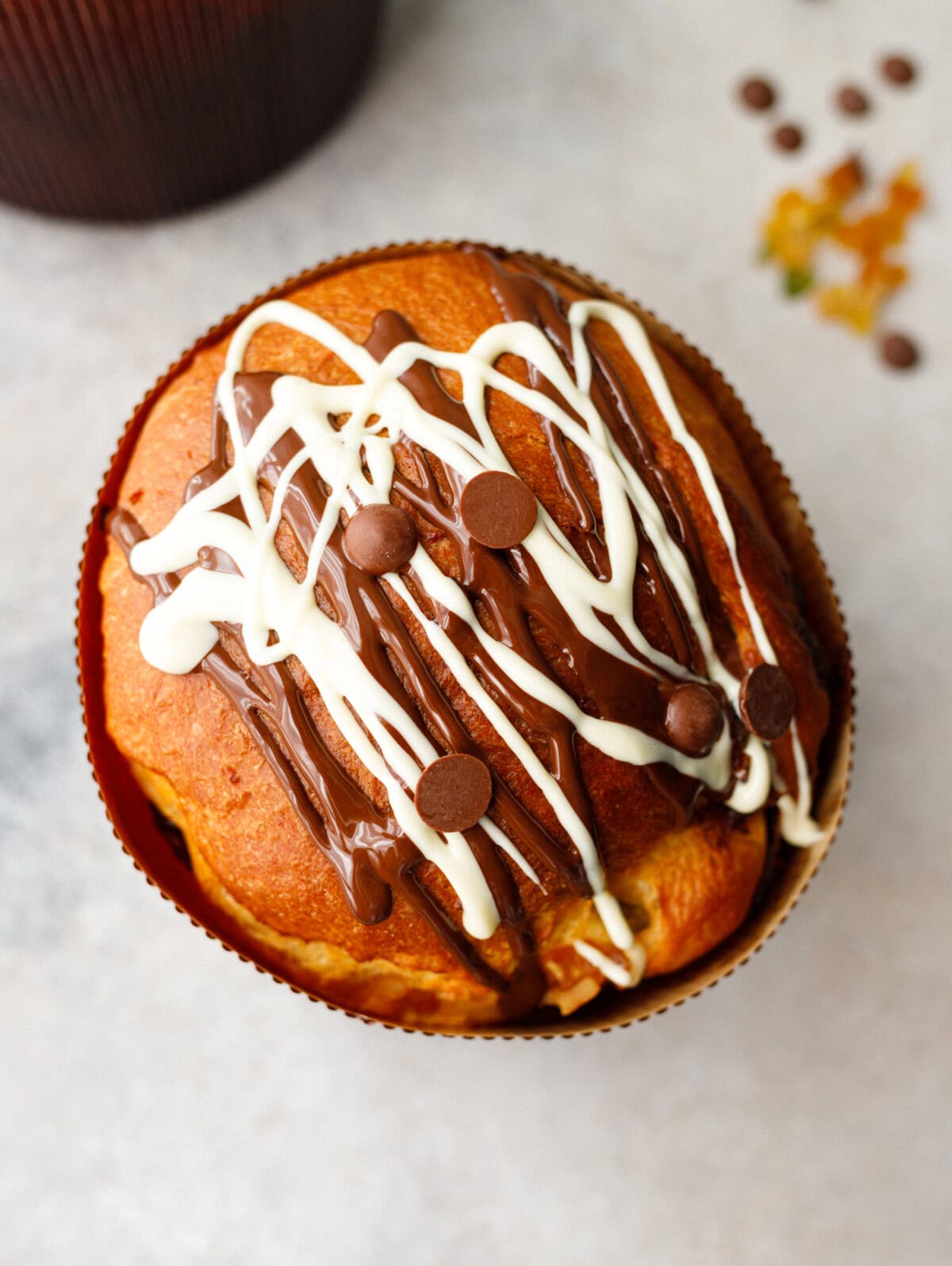
- Melted chocolate of your choice to drizzle over the baked bread
Instructions
- Activate the yeast by mixing it with warm milk and a small amount of sugar. Let sit for 5–10 minutes until slightly foamy.
- In a large bowl, whisk the eggs, egg yolks, sugar, vanilla, citrus zest, and lemon juice. Add the yeast mixture and combine.
- Add the flour and salt, then begin kneading using a stand mixer with a dough hook.
- Once the dough starts to form, gradually add the softened butter in several additions, allowing each portion to fully incorporate before adding more.
- Continue kneading for 12–15 minutes, until the dough becomes smooth, elastic, and slightly sticky.
- Cover the dough and let it rise in a warm place for 1.5–2 hours, or until doubled in size.
- If using filling, gently add it into the dough after the first rise.
- Divide the dough and shape into smooth balls. Place into tall molds, filling them about halfway.
- Let rise again until the dough reaches about 70–80% of the mold height.
- Bake at 165–170°C with fan or 180°C without for 30–40 minutes for small Kulich, or until deep golden and fully baked through. May be done baking earlier, depending on the oven and molds used.
- If the top browns too quickly, cover loosely with foil.
- Allow the kulich to cool completely before slicing.
Notes
Nutrition
Nutrition information is automatically calculated, so should only be used as an approximation.