
This post may contain affiliate links. Please read our disclosure policy.
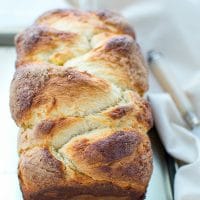
This is the Easter bread I grew up with.
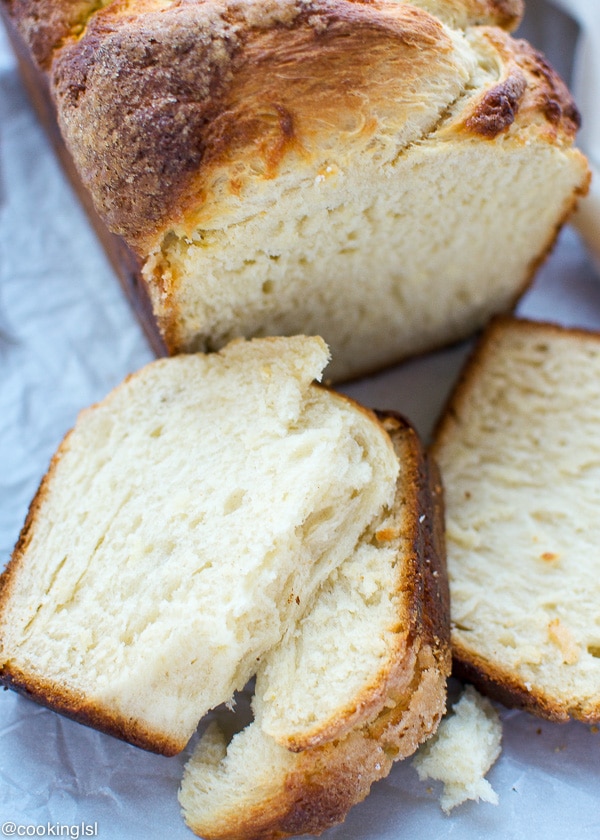
Kozunak is a traditional Bulgarian sweet bread with a soft, fluffy crumb and that signature stringy texture that pulls apart when you slice it. Lightly sweet, scented with lemon and vanilla, and golden on top — it’s one of those recipes that feels like home.
This version is made with oil, which creates a softer, lighter dough that’s easier to work with compared to some traditional butter-heavy recipes. It’s not overly sweet or heavy, and once you understand the texture you’re looking for, the process becomes much easier.
If you’ve tried making kozunak before and it didn’t turn out quite right, this version will guide you through it.
Check out all my Easter recipes here.
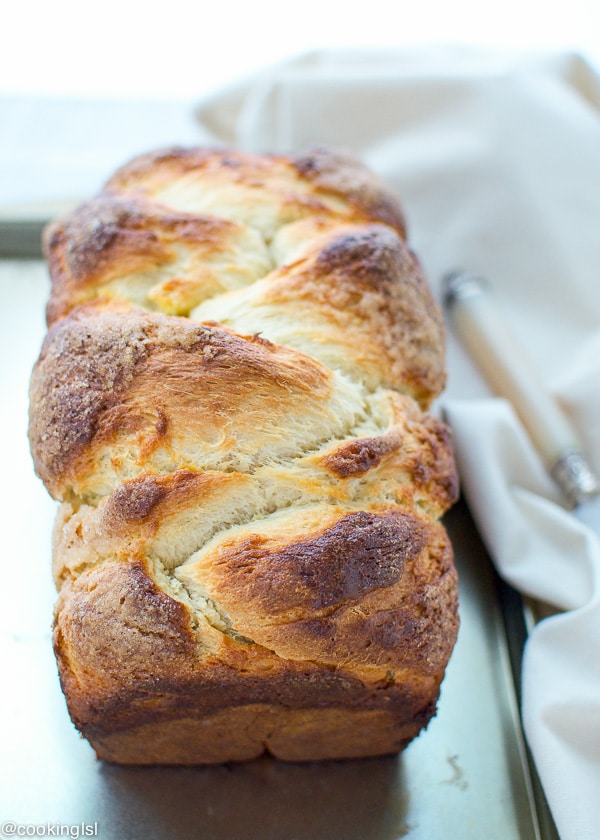
Table of Contents
- Why This Recipe Works
- Important Before You Start
- What Is Kozunak?
- Ingredient Notes
- How To Make Kozunak
- Dough Texture Matters
- How to Get the Signature “Stringy” Texture
- Oil vs Butter in Kozunak
- When to Add Fillings (Important)
- Why Kozunak Stays Soft and Stringy After Cooling
- Recipe Tips
- Add-Ins and Flavor Variations
- Optional Cold Rise (For Better Flavor)
- How To Serve
- Storage
- Bake It in a Panettone Mold
- Fill After Baking (Pistachio or Chocolate Cream)
- Easter Bread Muffins (Individual Size)
- More Similar Recipes
- Troubleshooting
- Final Note
- Bulgarian Easter Bread (Kozunak – Soft and Stringy) Recipe
Why This Recipe Works
- Oil creates a softer, more tender crumb
- Moderate sugar allows proper yeast activity
- Soft dough leads to light, stringy texture
- Lemon zest and vanilla provide classic flavor
- Method focuses on structure, not just ingredients
Important Before You Start
- This is an oil-based kozunak, so the result is lighter and less rich than traditional butter versions.
- The dough should be soft, slightly sticky, and not stiff. Adding too much flour will make the bread dense.
- This recipe is moderately sweet. Adding too much sugar can slow down the yeast and affect the final texture.
- Rising time will vary depending on temperature. The dough is ready when it has doubled in size, not based on time alone.
What Is Kozunak?
Kozunak is a traditional Bulgarian Easter bread, similar to brioche or panettone, but lighter and more elastic.
It’s made with eggs, milk, sugar, flour, and fat, then shaped and baked. What makes it special is the texture – soft strands that pull apart instead of crumbling.
Ingredient Notes
Flour
Use all-purpose flour with good protein (around 11–12%). In the U.S., bread flour or Manitoba flour can also be used for stronger gluten and more defined strands.
Yeast
Make sure it is fresh and active. Always check that it foams when activated.
Milk
Should be warm, not hot. Too much heat can damage the yeast.
Oil vs Butter
Oil makes the dough softer and easier to handle. Butter creates a richer flavor and slightly more structure.
Sugar
This recipe is not overly sweet by design. Too much sugar can interfere with rising.
Flavoring
Lemon zest and vanilla are essential for classic kozunak flavor.
How To Make Kozunak
1. Activate the yeast
Mix yeast with warm milk and a little sugar. Let it sit until foamy.
2. Make the base mixture
Whisk eggs and sugar. Add milk, vanilla, and part of the fat.
3. Form the dough
Add yeast mixture and flour gradually. Mix until a soft dough forms.
4. Add fat gradually
Add oil or melted butter in stages while mixing. This step is key for structure.
5. Knead until smooth
Knead until the dough becomes smooth, elastic, and slightly sticky.
I use a stand mixer (KitchenAid), which makes this much easier and more consistent.
6. First rise
Cover and let rise until doubled. This can take 2–5 hours.
7. Shape
Divide, roll into logs, and braid. Transfer to a pan.
8. Second rise
Let rise again until puffy. Do not rush this step.
9. Bake
Brush with egg wash, sprinkle sugar, and bake until golden and fully cooked.
Dough Texture Matters
The dough should feel soft, elastic, and slightly sticky.
It should not be firm or dry. If it feels stiff, too much flour has been added.
A soft dough is essential for achieving the classic stringy texture.
How to Get the Signature “Stringy” Texture
This is the most important part of kozunak.
- Knead until the dough is smooth and elastic
- Do not add too much flour
- Add fat gradually, not all at once
- Allow enough time for proper rising
If the dough is underdeveloped, the bread may be soft but will not have strands.
Oil vs Butter in Kozunak
Both work, but the result is different.
Oil version (this recipe):
- softer and lighter
- easier to work with
- milder flavor
Butter version:
- richer taste
- slightly firmer structure
- more traditional
You can replace up to half of the oil with melted butter if you prefer a richer flavor.
When to Add Fillings (Important)
Add-ins like raisins, chocolate, nuts, or lokum should be added after the dough has developed or during shaping.
Adding them too early can:
- tear the gluten
- make kneading harder
- lead to a denser bread
Keep add-ins moderate to preserve texture.
Why Kozunak Stays Soft and Stringy After Cooling
A properly made kozunak remains soft and slightly stretchy even after cooling.
The strands become more defined as the bread sets.
If your bread becomes crumbly or firm, it is usually due to:
- too much flour
- under-kneading
- overbaking
Always let it cool before slicing.
Recipe Tips
- Let cool before slicing
- Be patient with rising
- Keep dough soft, do not over-flour
- Add fat gradually
- Cover with foil if browning too fast
Add-Ins and Flavor Variations
You can customize this Easter bread depending on what you like.
Popular options:
- soaked raisins
- chocolate
- nuts
- candied citrus peel
- lokum
Use about ½ to ¾ cup total add-ins.
Too many add-ins can weigh down the dough.
Optional Cold Rise (For Better Flavor)
You can let the dough rise in the refrigerator overnight.
This develops deeper flavor and makes it easier to handle.
Let it come to room temperature before shaping.
How To Serve
- With coffee or tea
- With jam or chocolate spread
- As French toast or bread pudding (next day)
Storage
- Can be lightly reheated
- Room temperature: 2–3 days
- Wrap well to keep soft


Bake It in a Panettone Mold
You can bake this in a panettone mold for a taller result.
Divide into portions and place directly in molds instead of braiding.
Bake the same way.

Fill After Baking (Pistachio or Chocolate Cream)
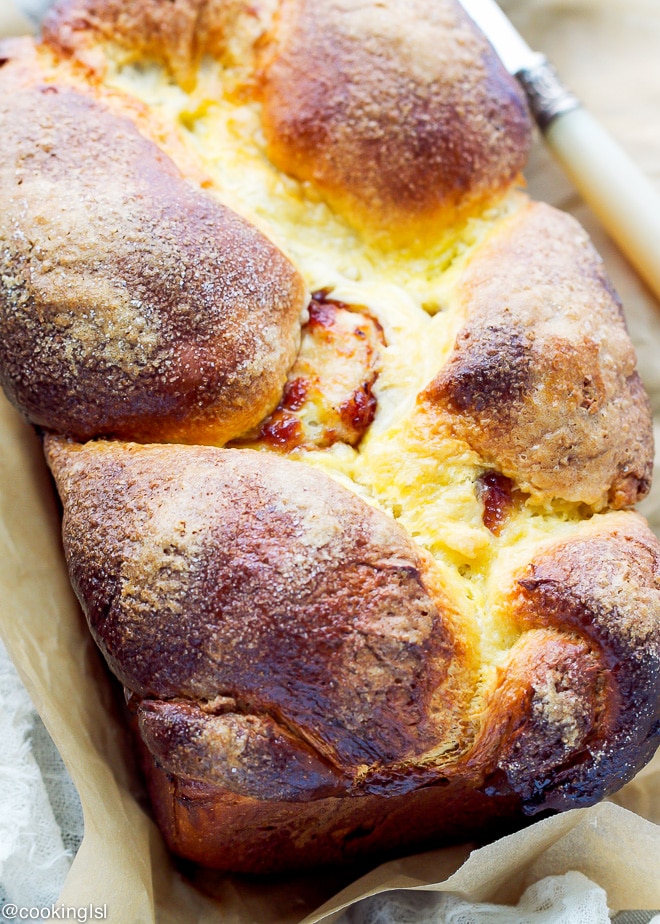
For a more modern, bakery-style version, you can fill the baked Easter bread with pistachio cream or chocolate spread (like Nutella).
Once the bread has cooled slightly, transfer the cream to a piping bag. Insert the tip into the bottom or sides of the loaf and pipe the filling inside in several spots, distributing it evenly throughout the bread.
Use about 1/2 cup (120 g) filling per loaf.
This method keeps the dough light and airy while adding rich flavor without weighing it down during baking. It also gives a beautiful contrast between the soft, stringy crumb and the creamy filling.

Easter Bread Muffins (Individual Size)
If you prefer smaller, individual portions, you can make this dough into Easter bread muffins.
Instead of shaping into a large loaf, divide the dough into smaller pieces and place them into muffin tins or small molds. You can braid mini strands or simply shape into balls.
Bake for a shorter time, until golden and cooked through.
These are perfect for:
- easier serving
- kids
- gifting
- portion control
Try my Easter Bread Muffins recipe here:
https://cookinglsl.com/easter-bread-muffins/

More Similar Recipes



Troubleshooting
Dense bread
Too much flour, not enough kneading, or not enough rising time.
No strands
Dough too dry or not developed enough.
Little flavor
This version is lighter. Use butter or increase flavoring if desired.
Did not rise
Inactive yeast or cold environment.
Gummy texture
Undercooked or sliced too early.
Final Note
Kozunak is not difficult, but it is sensitive.
Once you understand the dough, it becomes repeatable and reliable.
Bulgarian Easter Bread (Kozunak – Soft and Stringy)
Equipment
- 1 electric mixer
Ingredients
Dough
- 2 1/4 tsp dry yeast
- 1 cup lukewarm milk
- 3/4 cup sugar
- 2 whole eggs
- 1 egg yolk
- 2 tsp vanilla extract
- zest from 1 lemon
- 1 tsp lemon juice
- 1/2 cup vegetable oil, or melted butter, or a mix
- 4 1/2 cups flour, all-purpose, ~11–12% protein
- 1/4 tsp salt
Egg Wash
- 1 egg yolk
- 1 tbsp milk
- 1 tbsp oil
Topping
- 2 tbsp sugar
Video
Instructions
Activate yeast
- Combine yeast with part of the warm milk and a little sugar.
- Let sit for 10 minutes, until foamy.
Prepare the dough
- In a large bowl, mix flour and salt.
- In a separate bowl, whisk eggs, egg yolk, and sugar. Add milk, vanilla, and part of the oil.
- Add the yeast mixture and combine.
- Gradually add half of the flour, then lemon juice and zest. Continue adding the remaining flour and oil in stages.
Knead and first rise
- Mix until a soft, slightly sticky dough forms.
- Knead until smooth and elastic. This step is essential for structure.
- I use a stand mixer (KitchenAid) with a dough hook, which makes this easier and more consistent.
- Transfer to a greased bowl, cover, and let rise until doubled.
- This can take anywhere from 2 to 5 hours depending on room temperature.
Shape
- Divide the dough into 2 equal portions.
- Roll each portion into logs, then braid or twist into shape. Transfer to 2 standard loaf pans or baking molds.
Second rise
- Let the shaped dough rise again until puffy and visibly increased in size.
- Do not rush this step.
Bake
- Preheat oven to 375°F (190°C).
- Brush with egg wash and sprinkle sugar.
- Bake for 10 minutes, then reduce temperature to 350°F (175°C) and bake for 20–30 more minutes, until golden and fully cooked through.
- If the top browns too quickly, cover loosely with foil.
Cool
- Let cool completely before slicing. This allows the crumb to set and improves texture.
Notes
This dough is designed for 2 standard loaves. Making one large loaf can lead to uneven baking and a denser texture. Dough texture:
The dough should remain soft, elastic, and slightly sticky. Avoid adding too much flour, as this is the most common cause of dense kozunak. Flour:
Use all-purpose flour with moderate protein (11–12%). In the U.S., bread flour or Manitoba flour can be used for stronger gluten and more defined strands. Kneading:
Proper kneading is key. The dough should become smooth and stretchy. Under-kneading leads to a dense crumb and lack of strands. Fat (oil vs butter):
Oil creates a softer, lighter crumb and is easier to work with. Butter provides a richer, more traditional flavor and slightly more structure. You can use a combination if preferred. Rising:
Rising time varies depending on temperature. The dough is ready when it has doubled in size, not based on time alone. Sweetness:
This recipe is moderately sweet. Increasing sugar too much can interfere with yeast activity and affect texture. Tips Keep the dough soft — do not over-flour. Add fat gradually for better structure. Be patient with rising — slower fermentation improves texture. If browning too quickly, cover loosely with foil. Always let the bread cool before slicing. Troubleshooting Dense bread:
Too much flour, not enough kneading, or insufficient rising time. No stringy texture:
Dough was too dry or not developed enough before rising. Lacks flavor:
This version is lighter and less sweet. Flavor comes from lemon zest and vanilla. For richer taste, use butter or increase flavoring slightly. Did not rise:
Inactive yeast or a cold environment. Gummy texture:
Undercooked or sliced before fully cooled. Nutritional Info is per 1 loaf
Nutrition
Nutrition information is automatically calculated, so should only be used as an approximation.
Here are some step by step pictures of the process:


MORE BREADS:
Peanut Butter Bread With Cream Cheese Layer
Sesame Mini Hamburger Bread Buns


Zdravei Mira and Hristos Voskrese in advance! You are obviously Americanized, because you give measurements in cups. For those of us in Europe, could you also give measurements in grammes and millilitres? I just got my stand mixer and will be trying your Kozunak recipe tomorrow – wish me luck!
Hi Rob! Thanks! Have a great holiday! One American cup is 250 ml (liquid), for the flour in this recipe it is 576 grams. https://dish.allrecipes.com/cup-to-gram-conversions/ you can convert everything here. I’m planning to add the grams measurements to all my recipes in the future.
This bread was amazing I am from Bulgaria and this bread it something that I miss very much.Thank you for sharing your recipe.
Thank you so much for the nice comment! Glad you liked it! Stay safe!
Merci, Mira! It reminds me of my childhood too. I am excited about following this recipe and making it for my family. Pozdravi!!
Hi Daniela, I hope you like it 🙂
I now live in Bulgaria and love the Easter bread , I am going to make this tomorrow (Saturday ) and after the Easter concert on Monday I will be sharing it with the coloured eggs .
Hi Jane, hope you liked the bread and had a nice holiday!
Came out great! I used oil, which meant the dough needed to be supported on the sides to keep its shape, but this was no problem. If you do not have a suitable baking dish which can support the sides of the dough, I recommend using butter, as it will hold its shape better.💗
Thanks for the comment! I agree about using oil and I’m going to add this tip to the recipe. When using melted butter the dough holds its shape better.
I followed the recipe exactly but the bread was not the right texture or shape at all, it was very, very dense and had almost no flavor. This isn’t like any other Kozunak I have made or tasted before. Any tips on what could have gone wrong?
Thanks for trying the recipe and sharing your feedback. This is an oil-based kozunak, so the texture and flavor are lighter compared to traditional butter-rich versions.
If the bread turned out dense, it’s usually related to kneading, dough consistency, or rising time, as enriched doughs can be sensitive. The dough should stay soft and slightly sticky, and rise fully before baking.
I’ve added additional notes in the post to help guide these steps more clearly.